
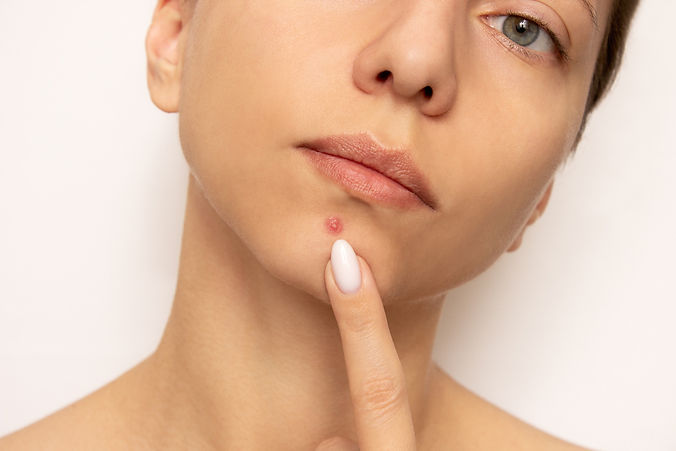
Acne
Acne is one of the most common skin conditions, affecting teenagers and adults alike. It can present as blackheads, whiteheads, inflamed pimples, deeper cysts and nodules, and may lead to post-inflammatory marks or acne scars. While acne is often associated with adolescence, it can persist into adulthood or develop later in life.
Treatment plans should be tailored according to the type and severity of acne, the presence of acne marks or scars, skin sensitivity, lifestyle factors and individual treatment goals.
Acne Treatments At A Glance
Prescription Topicals
-
Azelaic Acid
-
Antibiotics
-
Adapalene
-
Tretinoin
Oral medication
-
Antibiotics
-
Isotretinoin
-
Spironolactone
Laser or light based treatments
-
Vascular lasers
-
Broad band light
-
LED light
Other adjuncts
-
LDM triple
-
Medical facials
-
Supportive skincare
What Is Acne?
Acne is a chronic inflammatory condition of the pilosebaceous unit, which consists of the hair follicle and sebaceous (oil) gland.

These processes may result in a range of acne lesions including:

Blackheads

Whiteheads

Inflamed papules

Pustules

Nodules

Cysts

What Causes Acne?
Acne is a multifactorial condition and may be influenced by several factors.

The Glycaemic Index: How Food May Influence Acne

-
Wholemeal bread
-
White bread with fiber
-
Pita bread
-
Muffin
-
Pancake
-
Chapatti
-
Natural muesli
-
Instant oat porridge
-
Bran cereal
-
Muesli bar
-
Basmati rice, boiled
-
Brown rice, boiled
-
Quinoa
-
Couscous, rehydrated with water
FOOD GROUP
LOW GI (<55)
MEDIUM GI (55–70)
HIGH GI (>70)
Rice and rice alternatives
Cereals
Bread
Pasta and noodles
Vegetables and legumes
Fruits
-
Long grain rice, boiled
-
Semolina
-
Wild rice, boiled
-
Jasmine rice, boiled
-
White rice, boiled
-
Glutinous rice
-
Rolled oats, raw
-
Oat bran, raw
-
Rice bubbles
-
Corn flakes, cocoa-flavoured puffed rice
-
Other sweetened cereals
-
Whole grain bread
-
Multigrain bread
-
Sourdough bread
-
Rye bread
-
Wheat tortilla
-
White bread
-
Sweetbreads
-
Donut
-
Wholemeal spaghetti, boiled
-
Spaghetti, white, boiled
-
Lasagna
-
Rice noodles/vermicelli
-
Various pasta, boiled
-
Buckwheat noodles, udon, instant noodles
-
Fried beehoon
-
Baked beans (tomato sauce)
-
Carrots, raw
-
Yam, boiled
-
Lentils/chickpeas/kidney beans/peas, boiled
-
Hummus
-
Potatoes, boiled
-
Tapioca, boiled
-
Sweet potato, boiled
-
Sweet corn, boiled
-
Cocoyam
-
Pumpkin
-
French fries
-
Mashed potato
-
Mango
-
Pear
-
Apple
-
Orange
-
Banana
-
Grapefruit
-
Strawberries
-
Prunes
-
Grapes
-
Most fruits eaten whole (with fiber)
-
Pineapple
-
Cherries
-
Blueberries
-
Lychee
-
Rock melon
-
Papaya
-
Raisins, dried
-
Cranberries, dried
-
Watermelon
-
Canned fruit in syrup
-
Dried fruit
Dairy products and alternatives
Drinks
-
Milk, full fat
-
Milk, skim
-
Yogurt
-
Soy milk
-
Ice cream
-
Boiled barley
-
Water
-
Orange or apple juice, unsweetened*
-
Carrot juice, fresh
-
Sugar (sucrose)
-
Sucrose-containing drinks (e.g., orange cordial, reconstituted)
-
Carbonated soft drinks
-
Honey
-
Glucose-containing drinks (e.g., energy drinks)
-
Teh tarik
* While retention of fruit pulp and not adding sugar lowers the GI of fruit juices, they are still considered a source of excessive sugar. In general, fresh fruit is preferred over juice in the context of a healthy diet.
Reference: Dermatological Society of Singapore. Acne Management Guidelines (2019), Table 3: Glycemic Index Values of Common Food Items in Singapore. https://pmc.ncbi.nlm.nih.gov/articles/PMC6715335/table/T3/
Why Does Acne Cause Scars And Marks?
Inflammation can affect the surrounding skin structures and healing process.

So whilst there are many types of acne scars, the mechanism of injury and cause is the same. Our goals are to reduce inflammation early to prevent scarring in the first place.
Once acne scars form, other treatments may be required. Read more on our Acne Scars page.

Acne Treatments Summary
Accumulation of Cutibacterium acnes (acne bacteria)
Medical management with antibiotics and benzoyl peroxide.
Treatments

Increased sebum production
Medical management with azelaic acid, benzoyl peroxide, hormone therapy and retinoids.
Treatments


Hyperkeratinization
Medical management with azelaic acid, benzoyl peroxide and retinoids.
Treatments

Inflammation
Medical management with azelaic acid, antibiotics, hormone therapy and retinoids.
Treatments

Medical Management Of Acne
Medical treatment is the foundation of acne management.
The most appropriate treatment depends on acne severity, acne type, skin sensitivity and individual medical factors.

Topical Treatments
Topical treatments are commonly used for mild to moderate acne and may also form part of maintenance treatment plans.
*The information discussed here is for educational purposes only and does not substitute medical advice. Many of the treatments below require a doctor’s assessment and prescription.

Adjunct Acne Treatments
Acne treatment often requires a combination approach to target different aspects of the condition, including inflammation, oil production, skin barrier function and acne marks.
Here are some technologies we can use to speed up acne healing, in addition to medical management:


What Lifestyle Measures Can I Take To Improve My Acne?
Lifestyle factors rarely act as the sole cause of acne, but they can influence inflammation, hormones, oil production and skin barrier function. Small adjustments can often improve outcomes and work alongside medical treatments.
Optimise sleep
-
Reduce cortisol (stress hormone) levels
-
Allow sufficient time for skin turnover and repair
Manage stress
-
Reduce cortisol
Reduce high
glycemic index foods
-
Sugary drinks and highly processed foods contribute to insulin spikes and IGF-1 signalling.
Eat a nutrient-dense diet and stick to whole foods
-
Support skin barrier function and overall health
Exercise regularly
-
Improve metabolism
-
Reduce stress
Avoid squeezing
pimples
-
This can increase the risk of scarring
Review your
skincare
-
A simple routine is often better to support your medical treatments
Smoking
cessation
-
Smoking can affect wound healing and increase the risk of scars
Skincare And Acne
Skincare plays an important supportive role in acne management.
Key principles include:

Gentle cleansing

Appropriate moisturisation

Daily sunscreen use

Avoiding excessive exfoliation

Avoiding manipulation or picking of lesions
Overly aggressive skincare can sometimes worsen irritation and inflammation.
When Should You Seek Medical Advice?

Early assessment may help guide appropriate treatment options and reduce the risk of long-term sequelae.
Acne FAQs
*This information is for educational purposes only and is not intended as a substitute for medical advice. We recommend a clinical consultation for a plan tailored to your unique anatomy.*

