

Pigmentation
Pigmentation is one of the most common skin concerns seen in both men and women. It may appear as freckles, sun spots, melasma, post-acne marks or uneven skin tone. Irrespective of the cause, pigmentation can affect skin clarity and appearance of youthfulness.
For successful pigmentation treatment, it should be tailored according to the type of pigmentation, depth within the skin, skin type and lifestyle.
What Is Pigmentation?
Pigmentation refers to changes in skin colour caused by melanin, which is naturally produced by specialised skin cells called melanocytes.
Melanin protects the skin from ultraviolet (UV) radiation by absorbing harmful sunlight. However, when melanocytes become overactive or melanin is unevenly distributed, areas of darker pigmentation may develop.
Pigmentation can appear anywhere on the skin but is commonly seen on:

Face

Hands

Neck

Arms

Chest

Any sun-exposed area
What Causes Pigmentation?
Pigmentation is due to the deposition of melanin in the skin by melanocytes.

1. A trigger such as UV exposure activates the melanocytes
2. Melanocytes produce melanin to protect the skin
3. Excess melanin gets deposited in the skin and results in pigmentary disorders

Pigmentation Triggers
Sun Exposure
is the cause of many types of pigmentation including:

Freckles
Sun spots
Melasma

Why Is It Important To Diagnose The Correct Type Of Pigmentation?
Not all pigmentation is the same. Different pigmentary conditions develop through different biological processes and therefore respond differently to treatment. It is common to use lasers to treat pigmentation but not all treatments are created equal. There is no one best laser for all pigmentation, it simply depends. This is why an assessment by a medical professional is essential for proper diagnosis before embarking on pigmentation treatments.
Regardless of pigment type, daily sun protection is recommended to:

Prevent pigment from worsening

Reduce your risk of developing complications from pigment treatments

Prevent new pigment
Common Pigmentary Conditions

Condition
Typical Appearance
Common Causes
Topicals
General Treatment and Laser Approach
Freckles
Solar Lentigines (Sun Spots / Age Spots)
Melasma
Post-Inflammatory Hyperpigmentation (PIH)
Hori's Naevus
Naevus of Ota
Small light brown spots that darken with sun exposure
Genetics and sun exposure
Not usually helpful
Well-defined brown spots on sun-exposed areas
Cumulative sun exposure
Selected topicals may be useful
Hazy brown patches commonly on the cheeks, forehead or upper lip
Hormones, UV exposure, heat, genetics
Medical treatment with prescription creams such as Hydroquinone or Retinoids are first line, chemical peels
Carefully selected laser treatments such as Qswitch laser or long pulse lasers may be used as an adjunct to medical therapies
Brown marks following acne, eczema or skin injury
Skin inflammation
Lightening ingredients such as retinoids, kojic acid or alpha arbutin
Treat the underlying cause of inflammation, pigment lasers or LED light where necessary
Blue-grey or brown patches over the cheekbones
Acquired dermal melanocytosis
Not usually useful as pigment is deep within the dermis
Dermal pigment-specific laser treatments eg. 1064nm lasers
Blue-grey pigmentation around the eye
Congenital dermal melanocytosis
Not usually useful as pigment is deep within the dermis
Dermal pigment-specific laser treatments eg. 1064nm lasers
It is also common to have more than one pigment type, necessitating a multi-modal treatment approach.
*The above information is for educational purposes only and not intended as medical advice. We recommend an assessment with a medical professional for a treatment plan tailored to your skin concerns.
Epidermal Vs Dermal Pigmentation
Pigmentation can occur at different depths within the skin and this will also affect treatment selection.
Types of Pigmentation
Epidermal

Sits on the first layer of the skin (epidermis)
Dermal Pigmentation

Sits on the second layer of the skin (dermis)
Many patients have mixed epidermal and dermal pigmentation, which is one reason why treatment plans should be individualised.
Why Combination Treatment Is Often Recommended
Pigmentation is rarely caused by a single factor.
Many patients have a combination of:

Sun damage

Hormonal influences

Inflammation

Skin barrier dysfunction

Age-related changes
For this reason, treatment often involves multiple strategies that work together, including:

Daily sunscreen

Medical skincare

Laser or light-based treatments

Skin barrier support

Lifestyle measures to minimise recurrence
Learn More
Depending on your diagnosis, you may also wish to read more about:


How Can I Prevent Pigmentation?
Although pigmentation cannot always be prevented, the following measures may reduce the risk of recurrence:

Daily broad-spectrum sunscreen

Sun-protective clothing and hats

Avoid excessive sun exposure
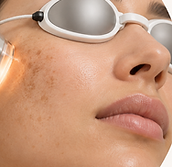
Prompt treatment of inflammatory skin conditions

Gentle skincare to maintain the skin barrier

Avoid picking acne lesions
Long-term sun protection remains one of the most important aspects of pigmentation management.

Skincare And Pigmentation
Do not underestimate the power of a daily habit.
We strongly believe that a good skincare routine can enhance your pigmentation treatment results.

Gentle cleansing

Daily sunscreen, even if you are at home

Appropriate moisturisation

Avoiding excessive exfoliation
Supporting the skin barrier

Reducing inflammation
When Should You Seek Medical Advice?

Pigmentation changes rapidly
Pigmented lesions are changing in appearance
Pigmentation is widespread or persistent

Pigmentation develops suddenly
Over-the-counter skincare has been ineffective
You are unsure of the cause of your pigmentation
Assessment helps identify the type of pigmentation and determine the most appropriate treatment approach.
Pigmentation FAQs
*This information is for educational purposes only and is not intended as a substitute for medical advice. We recommend a clinical consultation for a plan tailored to your unique anatomy.*
